Staying Connected: Is There Wifi or Electricity in Manu Jungle Lodges?
Disconnecting from the modern world to immerse yourself in the green heart of South America sounds deeply romantic. However, as we navigate through 2026, the reality is that most travelers—whether they are remote workers checking critical emails, digital nomads, or simply people wanting to text their families back home—need to know the honest truth about logistics. Can you actually send a WhatsApp message from the deep Peruvian Amazon? Will you be able to charge your phone, camera batteries, and laptop at night inside Manu National Park?
When booking an expedition with Manu Jungle Expeditions, managing your connectivity expectations is key to preventing frustration. The short answer is that while infrastructure is gradually improving, entering Manu still requires adapting to strict eco-sustainability regulations.
In this comprehensive, field-tested guide, we strip away the vague brochure terms and tell you exactly what to expect regarding Wi-Fi, cellular signals, and electricity availability throughout the different zones of the Manu wilderness.
1. Cellular Signal and Mobile Data in Manu: Carrier by Carrier
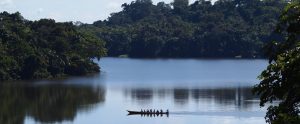
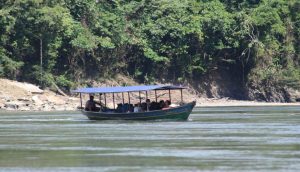
Once your motorized river boat pushes off from the shores of Atalaya or Shintuya and begins heading down the Madre de Dios and Manu rivers, your cell phone status bar will undergo a drastic transformation.
The Cellular Coverage Map (As of 2026):
-
The Cloud Forest & Cultural Zone (High Coverage): As you travel by road down from Cusco through Paucartambo and into San Pedro (The Cloud Forest) and Pilcopata, cellular signals are relatively reliable. Claro and Bitel offer the strongest 3G and occasionally 4G coverage in these small mountain-jungle towns. Movistar and Entel function here but are visibly weaker.
-
The River Banks (Spotty to No Signal): The moment you enter the river network towards Boca Manu, cellular signals vanish almost entirely. There are small, localized pockets of cellular signals near native communities like Diamante or Boca Manu town, but these are highly unstable and can completely shut down during heavy tropical rainstorms.
-
The Core Reserved Zone (Absolute Zero): If your itinerary takes you deep into the heart of the Manu Reserved Zone (around Cocha Salvador or Cocha Ramal), there is absolutely zero mobile phone coverage. No carrier reaches this dense, untouched primary forest. Your phone becomes an expensive camera and a pocket flashlight.
Pro-Tip on Local SIM Cards: If having a basic signal during the transit days is highly important to you, buy a local Claro or Bitel prepaid SIM card in Cusco before departing. Movistar coverage is notoriously poor once you cross the eastern slopes of the Andes.
2. The Truth About Wi-Fi in Jungle Lodges: Enter Starlink
The global internet landscape changed dramatically over the last few years with the rise of satellite internet networks like Starlink. The Peruvian Amazon is no exception, but its integration is highly specific.
+------------------------+---------------------------------------+------------------------------------------+
| Lodge Zone             | Wi-Fi Availability                    | Real Speed / Practical Use               |
+------------------------+---------------------------------------+------------------------------------------+
| Cloud Forest Lodges    | High (Most have Satellite Wi-Fi)      | Decent for texts, emails, and basic audio|
+------------------------+---------------------------------------+------------------------------------------+
| Cultural Zone Lodges   | Moderate (In common areas only)      | Unstable, cuts out during heavy storms   |
+------------------------+---------------------------------------+------------------------------------------+
| Deep Reserved Zone     | Ultra-Low to None (Digital Detox)     | Emergency satellite radios/phones only   |
+------------------------+---------------------------------------+------------------------------------------+
The Lodge Breakdown:
-
Cloud Forest and Upper Manu Lodges: Most mid-range and premium eco-lodges located in the Cloud Forest have successfully installed satellite internet receivers. In these locations, you can generally connect to Wi-Fi in the main dining hall. However, bandwidth is typically throttled to prevent heavy video streaming (Netflix, YouTube) from crashing the network for the rest of the guests. It is perfect for text messages and family emails.
-
Deep Lowland and Reserved Zone Lodges: Deep-jungle eco-lodges operate under strict environmental and structural conservation mandates. The vast majority of these lodges do not offer public Wi-Fi access. They choose to maintain a deliberate environment of digital detox.
-
Emergency Connectivity: Do not worry about absolute isolation in case of a medical crisis. Every professional lodge used by authorized operators carries an emergency high-frequency (HF) radio system or a satellite-linked communication device to coordinate with town bases instantly.
3. Electricity and Power Configurations: How to Charge Your Gear
If you expect to walk into your jungle room, flip a wall switch, and have a 24/7 humming wall outlet next to your bed, you are going to experience a culture shock.
To minimize environmental disruption (such as noisy generator sounds scaring away monkeys and jaguars) and reduce carbon emissions, Manu lodges utilize a combination of solar panels and limited-hour diesel generators.
The Typical Daily Power Schedule:
In most lowland lodges, power is strictly rationed and turned on only during key blocks of the day:
-
Morning Block (6:00 AM to 8:00 AM): Power is turned on so guests can charge phones and camera batteries while eating breakfast before the morning trail walks.
-
Lunch Block (12:00 PM to 2:00 PM): Generators run briefly during the midday heat when guests are resting.
-
Evening Block (6:00 PM to 10:00 PM): This is the primary power window. Lodge common areas are illuminated, and central charging stations are activated. At 10:00 PM, the main power is completely shut down. The lodge plunges into absolute darkness and silent jungle sounds.
Centralized vs. In-Room Outlets
In many rustic and deep-jungle lodges, there are no electrical outlets inside the private guest rooms. Instead, the lodge provides a secure, centralized charging station in the main dining hall or lounge area with multiple power strips. You will leave your camera batteries or power banks charging there during dinner and pick them up before bed.
4. Essential Survival Tips for Electronic Management in Manu
To ensure your devices survive the extreme humidity of Manu and you never run out of battery during a critical wildlife sighting, integrate these field rules into your routine:
-
Bring High-Capacity Power Banks: Carry at least two 10,000mAh or one 20,000mAh external power bank. Charge them fully whenever the lodge activates its central generator. This ensures you can charge your phone inside your room overnight, even when the lodge power is completely killed.
-
Pack Extra Camera Batteries: Cold nights and intense humidity can drain lithium-ion batteries significantly faster than normal. Always carry a minimum of 3 camera batteries, keeping the spares inside your daypack wrapped in a dry cloth or plastic Ziploc bag.
-
Set Everything to Airplane Mode: If your phone continuously searches for a non-existent cellular signal in the jungle, its processor will work overtime and drain your battery from 100% to zero in a matter of hours. Turn on Airplane Mode the second you step onto the boat.
-
Embrace the Digital Detox: The absolute best part of Manu is its raw, untamed isolation. Use the lack of Wi-Fi as a rare mental opportunity to unplug from news cycles and social media feeds, allowing you to listen to the incredible symphony of night tree frogs, howling monkeys, and rustling forest leaves.
By arriving in Manu with a clear understanding of these logistical realities, you transform potential inconveniences into an authentic, deeply grounding wilderness experience.