Manu National Park vs. Tambopata: Which Amazon Experience is Best for You?
Peru is globally celebrated as one of the ultimate gateways to the Amazon Basin. However, when travelers begin researching their dream trip to the rainforest, they inevitably find themselves caught in a classic dilemma: Manu National Park or Tambopata National Reserve?
Both of these extraordinary protected areas are located in southeastern Peru, and both boast some of the highest concentrations of biodiversity on the planet. Nevertheless, despite their geographic proximity, they offer vastly different travel experiences, logistical challenges, budgets, and wildlife viewing opportunities.
If you are trying to decide which Peruvian Amazon destination aligns with your time, budget, and travel expectations in 2026, this definitive side-by-side comparison will help you make the perfect choice.
1. The Geographic Profile: Where Are They Located?
To understand why these destinations differ so much, we must first look at the map and how they are accessed from major tourist hubs like Cusco or Lima.
Manu National Park: The Untamed Frontier
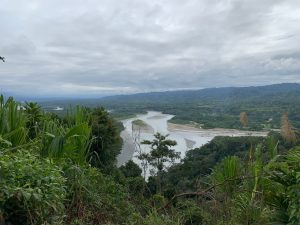
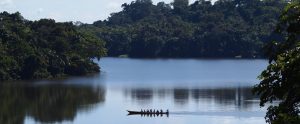
Manu is a colossal biosphere reserve that spans from the high Andean grasslands down through the dramatic Cloud Forest into the deep lowland Amazon. Because of its massive size and strict environmental protections, the core area (the Reserved Zone) remains exceptionally isolated from human encroachment.
-
Main Hub: Cusco.
-
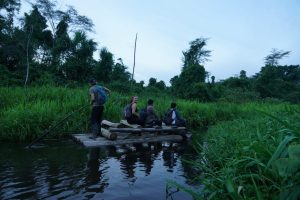
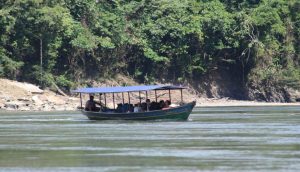
Transit: Primarily reached via an epic overland journey down the mountains, followed by several hours of river boat navigation.
Tambopata National Reserve: The Accessible Wonderland
Tambopata is located in the Madre de Dios region, bordering Bolivia. It is characterized primarily by lush lowland rainforest, pristine oxbow lakes (like the famous Sandoval Lake), and massive clay licks. Because it sits adjacent to a rapidly growing jungle city, the infrastructure surrounding the reserve is much more developed.
-
Main Hub: Puerto Maldonado.
-
Transit: Accessible via a short commercial flight from Cusco or Lima, followed by a quick riverboat ride directly to your lodge.
2. Accessibility and Travel Time: How Easy Is It to Get There?
Time is often the deciding factor for most international travelers visiting Peru. How much time do you actually want to spend in transit versus being deep in the jungle?
Traveling to Manu
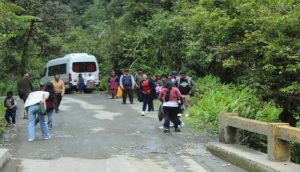
Reaching the true heart of Manu National Park requires patience and a spirit of adventure. The classic journey from Cusco involves a full day of driving through winding mountain switchbacks and descending through the Cloud Forest, followed by an additional day of navigating the Alto Madre de Dios River.
-
Minimum Recommended Time: 4 to 5 days for the Cultural Zone; 6 to 8 days to reach the deep Reserved Zone.
-
The Verdict: If you view the journey itself as a vital part of the adventure, Manu is unbeatable.
Traveling to Tambopata
If your vacation schedule is tight, Tambopata is the clear winner in terms of efficiency. You can board a morning flight from Cusco, land in Puerto Maldonado 45 minutes later, and be eating lunch at your jungle eco-lodge by early afternoon.
-
Minimum Recommended Time: 3 to 4 days.
-
The Verdict: Perfect for families, senior travelers, or anyone looking to combine the Amazon with a tightly scheduled trip to Machu Picchu.
3. Biodiversity and Wildlife: What Animals Will You See?
While both regions host an incredible array of species, the likelihood and setting of your wildlife encounters vary considerably between the two destinations.
+------------------------+--------------------------+--------------------------+
| Feature / Species      | Manu National Park       | Tambopata Reserve        |
+------------------------+--------------------------+--------------------------+
| Human Encroachment     | Extremely Low (Prickly)  | Moderate (Near City)     |
+------------------------+--------------------------+--------------------------+
| Macaw Clay Licks       | Small to Medium          | Massive (Chuncho/Colorado|
+------------------------+--------------------------+--------------------------+
| Giant River Otters     | High (Oxbow Lakes)       | Very High (Sandoval Lake)|
+------------------------+--------------------------+--------------------------+
| Jaguar Spotting        | Highest Probability      | Moderate Probability     |
+------------------------+--------------------------+--------------------------+
Wildlife Spotting in Manu
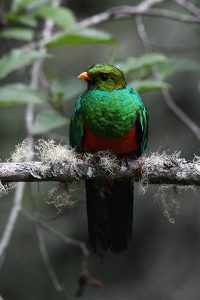
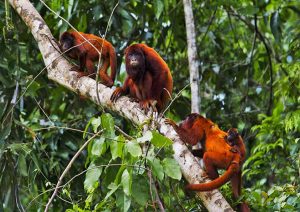
Because Manu has been strictly shielded from hunting, logging, and mass tourism for decades, the wildlife here exhibits remarkably natural, unafraid behavior. If your goal is to spot the elusive Jaguar sunbathing on a riverbank, the Manu River inside the Reserved Zone offers the highest statistical probability in all of Peru. Furthermore, the transition through the Cloud Forest gives you a chance to see unique species like the Andean Cock-of-the-rock and Woolly Monkeys, which do not exist in the lowlands of Tambopata.
Wildlife Spotting in Tambopata
Tambopata is world-renowned for having the highest concentration of accessible Macaw Clay Licks (colpas). Sites like the Chuncho or Colorado clay licks present an unparalleled spectacle where hundreds of brightly colored macaws and parrots gather every morning. Additionally, oxbow lakes like Sandoval Lake provide guaranteed, up-close views of families of endangered Giant River Otters, hoatzin birds, and black caimans without needing to travel days into the wilderness.
4. Accommodation and Comfort Levels: Roughing It vs. Eco-Luxury
Your tolerance for humidity, insects, and basic amenities will heavily influence which destination feels more rewarding.
-
Manu Lodges: Accommodation in Manu generally emphasizes immersion and eco-sustainability over luxury. While there are highly comfortable lodges with private bathrooms and solar power in the Cultural Zone, deep-jungle expeditions into the Reserved Zone often utilize rustic safari-style tented camps or basic wooden lodges with limited electricity.
-
Tambopata Lodges: Because of its logistical accessibility, Tambopata offers a wide spectrum of lodging options. You can find everything from budget-friendly family homestays to world-class, ultra-luxury eco-resorts featuring spa services, gourmet dining, and canopy walkways.
5. Budget Comparison: Evaluating the Total Cost
When calculating the cost of your Peruvian Amazon experience, you must look at the overall value rather than just the initial tour price.
-
Tambopata (Lower to Moderate Overall Cost): Because transport relies on standard commercial flights and short boat rides, operational costs for agencies are lower. This allows operators to offer highly competitive prices for short, 3-day itineraries.
-
Manu (Higher Initial Investment): Traveling to Manu requires dedicated private transport, extensive fuel for long-distance river travel, and specialized permits for the national park. Consequently, a tour to Manu usually requires a higher initial financial investment, but it provides a much longer, more comprehensive expedition format.
6. The Ultimate Verdict: Which One Should You Choose?
To summarize, neither destination is objectively “better� than the other; rather, they cater to entirely different styles of travelers.
Choose Manu National Park if:
-
You are a hardcore nature enthusiast, birdwatcher, or photographer seeking pristine, untouched ecosystems.
-
You have at least 5 to 8 days available to dedicate entirely to an Amazonian expedition.
-
You want the highest possible chance of spotting wild Jaguars, rare monkeys, and unique Cloud Forest species.
-
You enjoy the rugged adventure of long overland and river journeys.
Choose Tambopata National Reserve if:
-
You are traveling with family, young children, or seniors who require fast, comfortable transit and reliable infrastructure.
-
Your time in Peru is limited, and you only have 3 or 4 days to experience the jungle.
-
Your bucket list includes seeing hundreds of macaws at a massive clay lick or exploring a stunning oxbow lake like Sandoval.
-
You prefer a touch of comfort or eco-luxury at the end of a long day of hiking.