How to Get from Cusco to Manu Rainforest: The Ultimate Route Guide
Planning a trip from the high-altitude Andean capital of Cusco to the pristine depths of the Amazon Basin is one of the most thrilling adventures you can undertake in Peru. However, entering the Manu National Park and its surrounding Cultural and Core Zones is not as simple as booking a standard domestic flight. This territory transitions from over 3,400 meters (11,150 feet) above sea level down to the low-lying tropical rainforest at just 300 meters.
If you are wondering exactly how to travel from Cusco to Manu, what transport options exist, and how to avoid the logistical pitfalls that many independent travelers face, this ultimate route guide provides everything you need to know for a seamless journey in 2026.
1. Understanding the Geography: The Journey from the Andes to the Amazon
Before looking into the specific transport methods, it is vital to understand the geographic landscape. Manu National Park is divided into three main zones:
-
The Cultural Zone (or Buffer Zone): Accessible by road and river, where most short-stay eco-lodges are located.
-
The Reserved Zone (Core Zone): Strictly regulated, accessible primarily by motorized boat, requiring official permits.
-
The Intangible Zone: Closed to tourism, reserved exclusively for indigenous tribes and scientific research.
The journey from Cusco moves through three distinct ecological tiers: the Andean highlands, the dramatic Cloud Forest, and finally, the lowland Amazonian rainforest. Consequently, any overland route involves navigating winding mountain roads before transitioning to river navigation.
2. Option A: Traveling Overland by Road and River (The Classic Route)
The overland route is by far the most popular, scenic, and ecologically diverse way to reach the Manu Rainforest from Cusco. It allows your body to acclimate to the changing altitudes while offering spectacular views of the Peruvian landscape.
Route Breakdown: Cusco to Atalaya or Shintuya Port
The overland journey is split into two distinct legs: the driving portion and the boat portion.
[Cusco] ---> [Paucartambo] ---> [Tres Cruces / Acjanaco] ---> [San Pedro Cloud Forest] ---> [Pilcopata] ---> [Atalaya Port / Shintuya Port]
Leg 1: Cusco to Paucartambo
-
Distance: Approximately 110 km (68 miles).
-
Time: 3.5 to 4 hours.
-
The Experience: You leave the Cusco valley behind, climbing past ancient pre-Inca burial sites (Ninamarca) before arriving at the colonial town of Paucartambo. This town is famous for its cultural festivals, but for travelers, it serves as the final major Andean checkpoint.
Leg 2: Paucartambo to Acjanaco Pass (The Gate to Manu)
-
Distance: 25 km (15.5 miles).
-
Time: 1 hour.
-
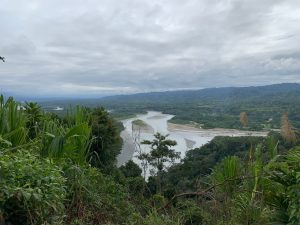
The Experience: Acjanaco is the official entrance to the Manu National Park biosphere. Standing at roughly 3,560 meters (11,680 feet), this pass marks the continental divide. On clear mornings, you can look out from nearby Tres Cruces and see the vast Amazon basin stretching out beneath a sea of clouds.
Leg 3: Descending the Cloud Forest to Pilcopata and Atalaya
-
Distance: 80 km (50 miles) of winding, unpaved switchbacks.
-
Time: 4 to 5 hours.
-
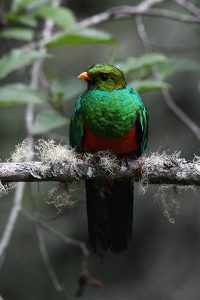
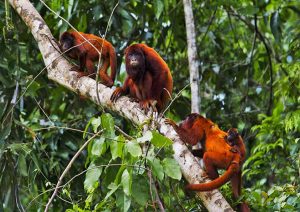
The Experience: This is arguably the most breathtaking section of the trip. As the vehicle descends, the dry Andean air transforms into humid mist. This area—specifically around San Pedro—is the prime habitat of Peru’s national bird, the Andean Cock-of-the-rock, as well as Woolly Monkeys and countless orchids. The road ends at the small towns of Pilcopata and eventually Atalaya Port or Shintuya Port.
Transitioning to the River Boat
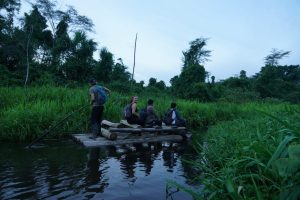
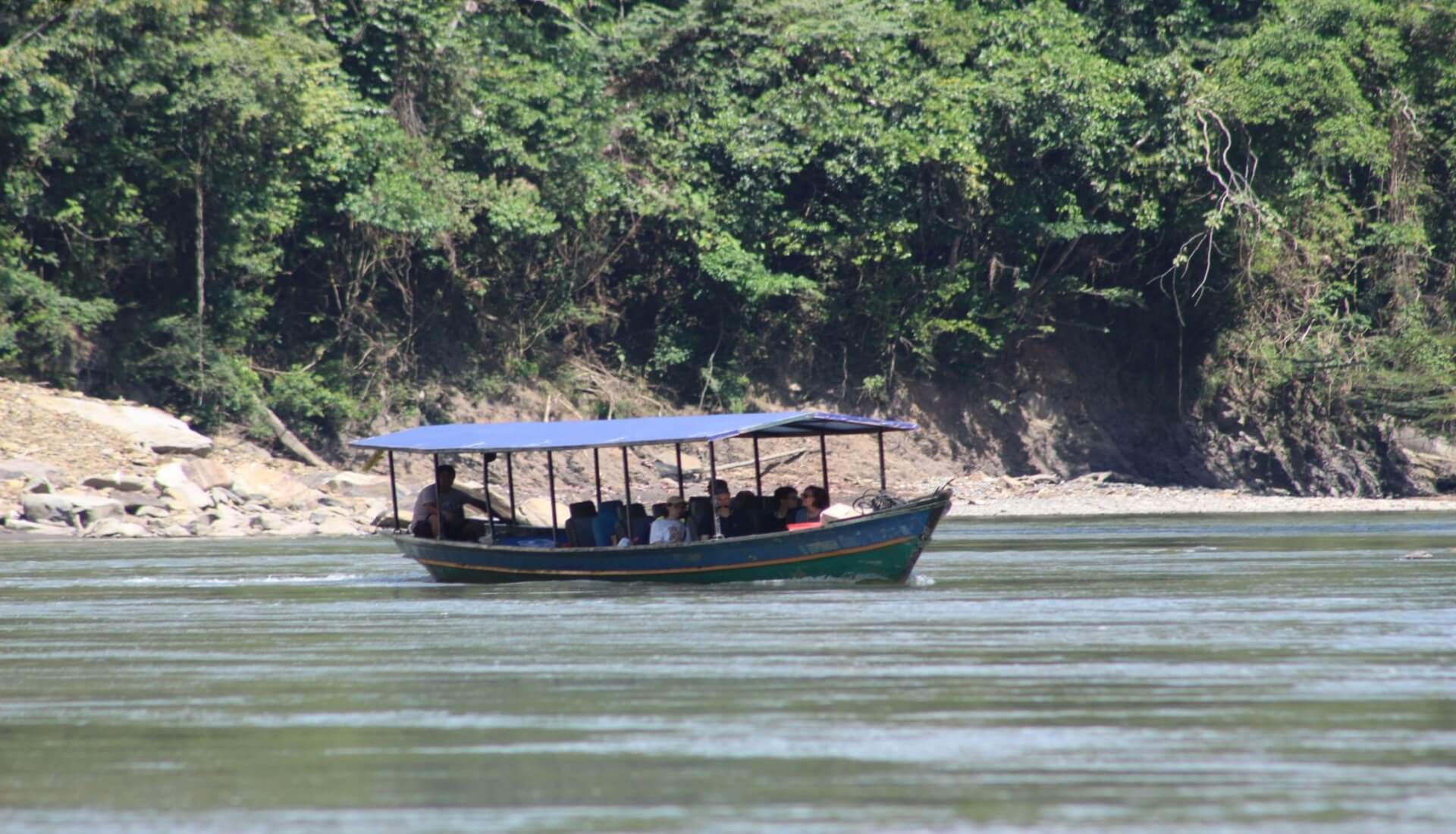
Once you reach Atalaya or Shintuya, the road network terminates completely. From this point forward, the only way deeper into the jungle is via motorized wooden canoes, locally known as peki-peki or heavy-duty outboard motorboats.
-
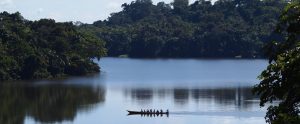
Atalaya Port to Cultural Zone Lodges: 30 minutes to 2 hours down the Alto Madre de Dios River.
-
Atalaya Port to Reserved Zone (Manu River): 6 to 8 hours of continuous boat travel.
| Transport Mode (Overland + Boat) | Pros | Cons | Best Suited For |
| Private Tour Transport | Safe, reliable, includes wildlife stops in the cloud forest, comfortable. | More expensive if traveling solo. | Wildlife enthusiasts, families, and organized groups. |
| Public Collectivos & Local Buses | Very cheap, authentic local experience. | Unreliable schedules, crowded, no stops for scenery or wildlife, drops you off at remote ports without connecting boats. | Hardcore backpackers with flexible schedules. |
3. Option B: Flying from Cusco (Charter Flights vs. Commercial Routes)
For travelers with limited time or those who wish to avoid long hours on winding mountain roads, air travel offers an alternative pathway closer to the Manu region.
Charter Flights to Boca Manu Airfield
Historically, small charter planes flew directly from Cusco to the Boca Manu Airfield (BMI), located right at the confluence of the Madre de Dios and Manu rivers.
-
Current Availability: Charter flights are highly irregular and subject to strict weather dependency. Because the airstrip is unpaved, heavy rains can close it down for days.
-
Logistics: These flights must be arranged via high-end specialized agencies. They save you an entire day of driving but require a high budget.
The Commercial Alternative: Flying via Puerto Maldonado
Since direct flights to Manu are rare, many tourists choose to fly commercially from Cusco to Puerto Maldonado (PEM).
-
The Flight: A short, 45-minute commercial flight from Cusco to Puerto Maldonado.
-
The Connection: From Puerto Maldonado, you can access the Tambopata National Reserve easily. However, if your destination remains the core of Manu, you must take an overland vehicle from Puerto Maldonado to the town of Mazuco or Santa Rosa, cross the Inambari River, and travel up to the Manu river mouth. This route is rarely used for entering Manu and is generally reserved for combined multi-reserve itineraries.
4. Seasonal Route Hazards: Dry vs. Rainy Season
The choice of how to get from Cusco to Manu changes drastically depending on the time of year you travel.
The Dry Season (May to October)
-
Road Conditions: The unpaved mountain passes through the Cloud Forest are dry, making vehicular travel faster and significantly safer.
-
River Conditions: River levels drop considerably. While this makes navigation smoother, it can occasionally cause larger boats to scrape sandbanks on the Alto Madre de Dios River, extending boat travel times slightly.
The Rainy Season (November to April)
-
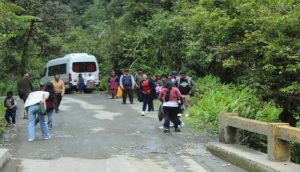
Road Conditions: Landslides are common along the steep descent from Acjanaco to Pilcopata. Delays lasting several hours—or even days—can happen if the road gets blocked by mud.
-
River Conditions: Rivers swell and currents become incredibly powerful. Motorized boats move faster downstream, but upstream travel becomes sluggish and requires highly experienced local captains.
5. Independent Travel vs. Booking an Organized Expedition
Can you get from Cusco to Manu completely on your own? The short answer is yes, but it comes with extreme logistical challenges.
The Reality of Independent Travel:
-
Catching the Collectivo: You must head to the Control San Jerónimo or the designated terminal in Cusco early in the morning to catch a minivan bound for Paucartambo or Pilcopata.
-
The Port Dilemma: When you arrive at Atalaya Port independently, you will find that most boats are chartered privately by tour companies. Finding a public “water taxi” heading downriver into the Reserved Zone is nearly impossible without pre-arranging a spot weeks in advance or paying an exorbitant private charter fee on the spot.
-
Permit Restrictions: You cannot enter the Reserved Zone of Manu National Park without an official licensed guide and an authorised agency permit.
Why Booking with an Agency is Highly Recommended:
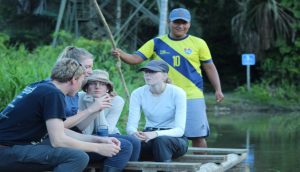
When you book a tour with an operator like Manu Jungle Expeditions, the logistical headache disappears entirely. A private, specialized overland vehicle picks you up from your hotel in Cusco, stops at strategic birdwatching spots in the Cloud Forest, provides meals along the route, and has a dedicated boat waiting at the river port with life jackets, roof covers, and experienced operators.
6. Final Travel Tips for the Journey
To ensure your transit from the Andes to the Amazon goes smoothly, keep these professional travel tips in mind:
-
Pack an Accessible Daypack: Do not lock all your luggage away in the trunk of the van or under the boat’s tarp. Keep your insect repellent, rain poncho, camera, and sunscreen in a smaller daypack that stays with you.
-
Prepare for Motion Sickness: The road winding down through the Cloud Forest features hundreds of tight curves. If you are prone to car sickness, taking medication before leaving Paucartambo is highly advisable.
-
Acclimatize in Cusco First: Although you are dropping down in altitude as you go to Manu, the first four hours of the drive require ascending past 3,500 meters. Ensure you spend at least 48 hours in Cusco to acclimate before embarking on the overland trip.
-
Cash is King: There are no ATMs along the route from Paucartambo down into the jungle. Bring plenty of Peruvian Soles in small denominations for snacks, tipping, and local handicrafts.