Peruvian Highlands: Complete Travel Guide – Cities, Trekking, History & Cuisine
Discover the Peruvian Highlands with our complete guide: colonial cities, archaeological sites, trekking, lakes, Andean cuisine, and travel routes. Plan your trip step by step with practical tips and seasonal recommendations.
🧭 Introduction to the Peruvian Highlands
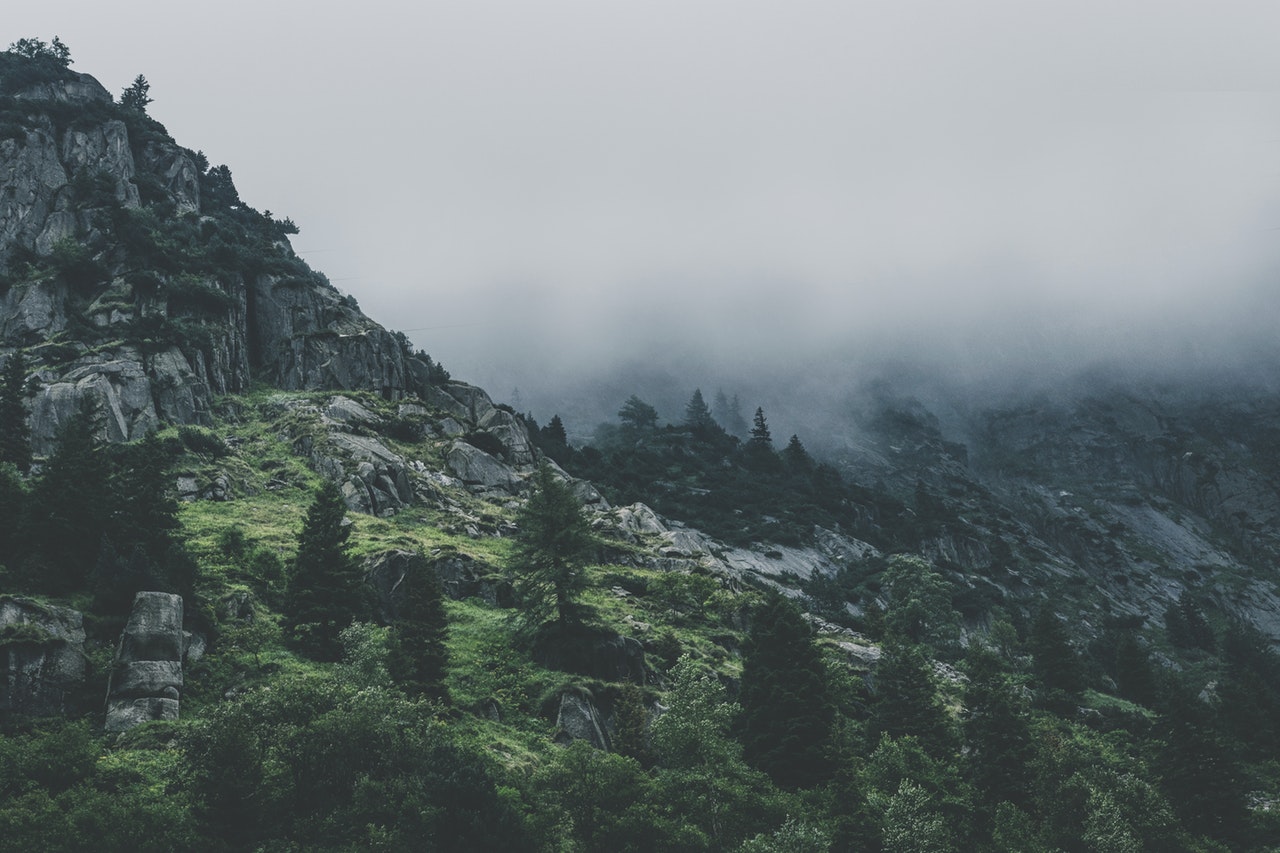
The Peruvian Highlands are a fascinating destination for travelers seeking breathtaking landscapes, ancient culture, and authentic experiences. Located in the Andes, this region connects the coast with the Amazon, offering a perfect blend of history, nature, and adventure.
Key departments include: Cusco, Arequipa, Puno, Ayacucho, Cajamarca, Huancayo (Junín), Huaraz (Áncash), and Huancavelica. Each has unique characteristics that make it irresistible: from trekking in mountains and high-altitude lakes to colonial towns and colorful markets.
Travelers visiting the Highlands can enjoy:
-
History & Archaeology: Machu Picchu, Choquequirao, Kuelap, and other pre-Inca and Inca sites.
-
Adventure & Trekking: Inca Trail, Huascarán, Laguna 69, Colca Canyon.
-
Culture & Traditions: festivals, dances, textiles, and local cuisine.
-
Nature: lakes, snow-capped peaks, fertile valleys, and Andean wildlife.
Thus, the Peruvian Highlands are perfect for travelers seeking experiences that combine learning, nature, and culture.
🌡️ Climate in the Peruvian Highlands
The climate varies depending on altitude and region. Here’s a detailed guide:
-
Cusco & Sacred Valley:
-
Daytime temperatures: mild; nights: cold.
-
Rainy season: November to March.
-
Dry season: May to October (ideal for trekking).
-
-
Puno & Lake Titicaca:
-
Cold due to altitude; nights are chilly.
-
Moderate rain: November to March.
-
Best travel period: May to October.
-
-
Arequipa & Colca Canyon:
-
Dry and mild most of the year.
-
Cool nights in high-altitude areas.
-
Ideal months: April to November.
-
-
Huaraz & Cordillera Blanca:
-
Cold winters, snow in the peaks.
-
Dry season: May to September (recommended for trekking and mountaineering).
-
-
Cajamarca:
-
Mild and rainy in summer.
-
Best months: May to October.
-
-
Ayacucho:
-
Mild climate with occasional summer rain.
-
Best months: April to November.
-
Tip: Pack layered clothing, sunscreen, night-time warmth, and rain protection. Acclimate to high altitude by drinking plenty of water and avoiding heavy exertion on the first days.
🗺️ Main Destinations in the Peruvian Highlands
🏛️ Cusco & Sacred Valley
Cusco, the ancient capital of the Inca Empire, is a must-visit. You will find colonial architecture intertwined with Inca ruins that take you back in time.
-
Machu Picchu: One of the modern wonders of the world. Book tickets and train in advance.
-
Sacred Valley: Pisac (market and ruins), Ollantaytambo (fortress and traditional towns), Moray (circular agricultural terraces), Maras (salt mines).
-
Activities: trekking, cultural visits, trying local cuisine (cuy chactado, chiri uchu, rocoto relleno).
-
Tip: Spend at least 3 days exploring Cusco and the Sacred Valley.
🏔️ Arequipa & Colca Canyon
Arequipa, the “White City,” is famous for its volcanic sillar architecture and vibrant culture.
-
Colca Canyon: One of the deepest canyons in the world; ideal for condor watching and trekking.
-
Santa Catalina Monastery: A city within a city.
-
Plaza de Armas: Colonial churches and museums.
-
Tip: Plan a 2-3 day trip including Arequipa and Colca Canyon.
🌊 Puno & Lake Titicaca
Puno is the gateway to Lake Titicaca, the highest navigable lake in the world.
-
Uros Floating Islands: Ancient culture living on totora reed islands.
-
Taquile & Amantani Islands: Community tourism, traditional textiles, and cultural experiences.
-
Tip: Take a guided day tour or stay overnight on one of the islands for an authentic experience.
🏞️ Huaraz & Cordillera Blanca
Huaraz is perfect for adventurers and trekking enthusiasts.
-
Laguna 69, Pastoruri, and Huascarán: Intermediate to advanced trekking and mountaineering.
-
Huascarán National Park: Andean wildlife, flora, and stunning landscapes.
-
Tip: Bring proper trekking gear and acclimate to the altitude.
🏯 Cajamarca
Cajamarca is rich in history and colonial architecture.
-
Rescue Rooms & Baños del Inca: Inca heritage and hot springs.
-
Archaeological sites: Cumbemayo (pre-Inca aqueduct) and Ventanillas de Otuzco.
-
Tip: Enjoy local festivals and regional cuisine.
🎭 Ayacucho
Ayacucho stands out for its colonial architecture and religious celebrations.
-
Holy Week: One of the most important in Peru.
-
Local markets & artisan workshops: Textiles, ceramics, and local products.
-
Tip: Spend a couple of days exploring the city and surroundings.
🍽️ Typical Highland Cuisine
Andean cuisine is rich, varied, and full of authentic flavors:
-
Cusco: cuy chactado, chiri uchu, rocoto relleno.
-
Puno: quinoa soup, fried trout.
-
Arequipa: rocoto relleno, ocopa, Arequipean adobo.
-
Ayacucho: mondongo, puka picante.
Tip: Eating at local markets is a cultural experience in itself.
🧳 How to Plan Your Trip to the Peruvian Highlands
1. Define Your Travel Style & Season
-
Trekking & adventure: May to October (dry season).
-
Festivals & culture: Check local event calendars.
-
Archaeological visits: All year, but avoid heavy rains.
2. Choose Key Destinations
-
Cusco & Machu Picchu: minimum 3 days.
-
Arequipa & Colca: 2-3 days.
-
Puno & Lake Titicaca: 2 days.
-
Huaraz & Cordillera Blanca: 3-4 days.
3. Transportation
-
Internal flights: Lima → Cusco / Arequipa / Juliaca.
-
Buses: Comfortable and affordable (Cruz del Sur, Oltursa).
-
Trains: For Machu Picchu and Sacred Valley routes.
-
Rental cars: Useful in Arequipa, Cajamarca, and Huaraz.
4. Accommodation
-
Hotels in Cusco, Arequipa, and Puno.
-
Hostels and local lodgings in Huaraz and Sacred Valley towns.
5. Practical Tips
-
Acclimate to altitude: stay hydrated, rest first days.
-
Bring sun protection and layered clothing.
-
Book tours and archaeological entrances in advance.
-
Try local food in markets and recommended restaurants.
🗒️ Recommended Routes
-
Short (5 days): Cusco → Sacred Valley → Machu Picchu.
-
Medium (8 days): Cusco → Machu Picchu → Arequipa → Colca Canyon.
-
Extended (12 days): Cusco → Machu Picchu → Puno → Arequipa → Huaraz → Cajamarca.
❓ Frequently Asked Questions (FAQ)
-
When is the best time to visit the Highlands?
May to October (dry season) for trekking and outdoor activities. -
Do I need a permit for Machu Picchu?
Yes, buy tickets and train in advance. -
Is it safe to travel in the Highlands?
Yes, with basic precautions and reliable transport. -
What should I pack?
Layered clothing, warm layers, rain protection, sunscreen, water, documents. -
How long should I stay?
Between 7 and 14 days depending on destinations. -
How to get around between cities?
Internal flights, tourist buses, trains, and local tours. -
Typical dishes to try:
Cuy chactado, rocoto relleno, fried trout, quinoa soup, Arequipean adobo.
🌟 Call to Action
👉 Start planning your trip to the Peruvian Highlands and discover mountains, lakes, culture, gastronomy, and archaeology in one journey.
👉 Check our detailed city guides to build your itinerary step by step and travel safely and comfortably.
👉 Book your tours and tickets in advance to ensure the best experience in this unique destination.