
Amazon Tour in Peru: Complete Guide to Manu National Park (2026 Edition)
Have you ever dreamed of waking up to the sound of howler monkeys and the scent of the virgin rainforest? An Amazon tour to Manu National Park isn’t just a trip; it’s an expedition to the heart of global biodiversity. Located in southeastern Peru, this sanctuary protects one of the purest ecosystems on the planet.
In this comprehensive guide, we’ll explore everything you need to know to plan your adventure, from how to get there to the best-kept secrets of the Amazon rainforest.
1. Why choose Manu for your next Amazon tour?
Unlike other areas of the Amazon, Manu offers a unique altitudinal gradient, ranging from the Andes Mountains to the Amazonian plains. Consequently, the variety of species is simply unparalleled.
Biodiversity in Numbers
To understand the magnitude of this place, we must look at the statistics. The park is home to:
- More than 1,000 species of birds.
- Around 200 species of mammals.
- Countless insects and medicinal plants.
First and foremost, Manu is one of the few places where jaguars can still be observed in their natural habitat along the riverbanks. Furthermore, it is home to Indigenous groups living in voluntary isolation, which adds a layer of mystique and profound respect to the territory.
2. The Park’s Zones: Where Can You Go?
It’s essential to understand that the park is divided into three main zones. Not all of them are accessible to tourists, which is vital for conservation.
- Core Zone: Reserved strictly for research.
- Reserved Zone (Manu River): The area with the highest wildlife sightings, accessible only with authorized agencies.
- Cultural Zone (Biosphere): Where the original lodges and local communities are located.
Therefore, when choosing your tour, be sure to ask which zone you’ll be spending most of your time in. The Reserved Zone usually requires more travel days but offers a much wilder experience.
3. Planning the Trip: Logistics and Transportation
Getting to Manu is part of the adventure. Indeed, the journey from Cusco is one of the most spectacular road trips in the world.
The Descent from the Andes
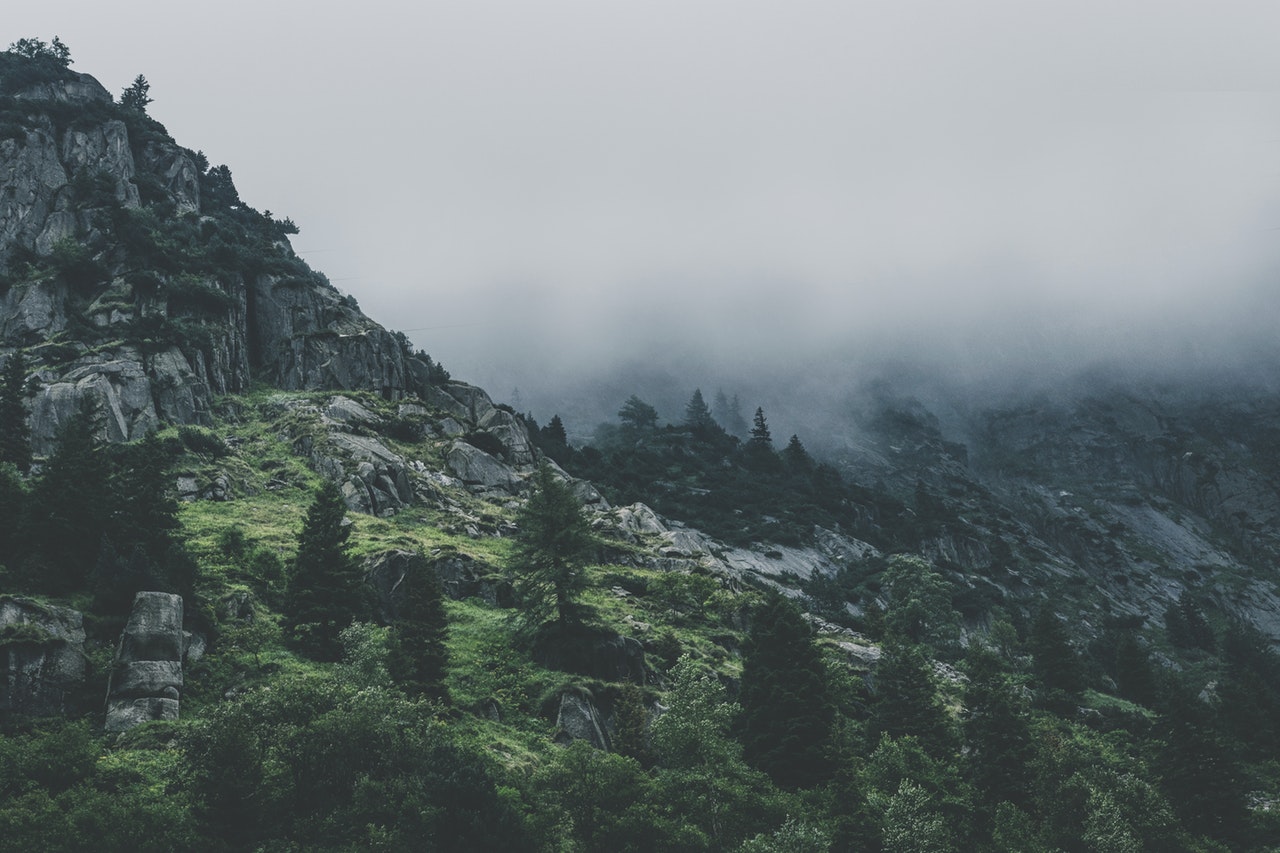
The trip begins by crossing the mountains from Cusco to the colonial town of Paucartambo. Afterward, you ascend to the Acjanaco Pass, the official entrance to the park. From here, you will begin your descent through the Cloud Forest.
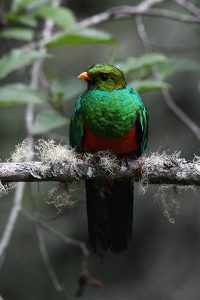
Next, you will see how the landscape changes dramatically: from the Andean tundra to a cloud forest filled with orchids and giant ferns. This is the best place to observe the Andean Cock-of-the-Rock, Peru’s national bird.
Once on the Amazonian plains, the main mode of transportation is the motorized boat. Navigating the winding rivers is the most authentic way to experience the jungle. Along the way, you may see caimans resting on the banks and river turtles basking in the sun.
4. What to See and Do on a Manu Tour?
Birdwatching and Macaws
If you love photography, the macaw clay licks are a must-see. Likewise, hiking along the jungle trails will allow you to see toucans and woodpeckers in their natural habitat.
Primate Encounters
Manu is famous for its 13 species of monkeys. For example, spider monkeys, howler monkeys, and pygmy marmosets are common sights if you have an experienced guide.
Night Hikes
Without a doubt, the jungle transforms at nightfall. With flashlights and patience, you can find glass frogs, tarantulas, and, with luck, small nocturnal cats.
5. Tour Preparation: What to Pack
To ensure your experience is enjoyable and not a struggle against the elements, preparation is key. Therefore, we’ve prepared a list of essentials:
- Neutral-colored clothing: Green, beige, or gray will help you blend into your surroundings.
- High-concentration insect repellent: Mosquitoes are part of the ecosystem.
- Good-quality binoculars: You won’t want to miss the jaguar in the distance.
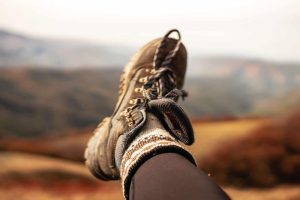
- Waterproof footwear: Rubber boots are usually provided by the lodges, but a good pair of hiking boots is essential.
6. Sustainability and Respect for the Environment: Amazon Tour
Ultimately, we must remember that we are visitors in a fragile ecosystem. Tourism in Manu must be responsible.
- Leave no trace: Everything you take into the rainforest must come back with you.
- Respect the wildlife: Never feed the animals or try to touch them.
- Support local businesses: Buy handicrafts directly from native communities.
In conclusion, an Amazon Tour to Manu National Park is the ultimate experience for those seeking to disconnect from the modern world and reconnect with nature.